.png?width=1200&length=1200&name=11%20Podcast%20Graphics%20-%20Updated%205.28.24(2).png)

.jpg?width=1200&length=1200&name=2026%20FTR%20Conference_Freight%20Track_1-1%20(1).jpg)

class 8 trucks
forecasting


FTR’s latest reading of the Shippers Conditions Index (SCI) signals a meaningful shift in the freight environment—one that is becoming increasingly unfavorable for shippers at a pace that may not yet be fully captured in the data.
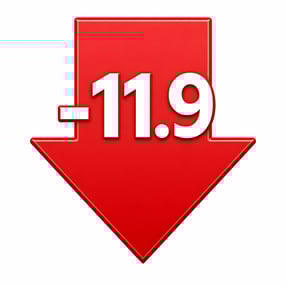 In February, the SCI dropped to -11.9, marking the most challenging environment for shippers since March 2022.
While the index itself reflects already difficult conditions, the broader context suggests the situation is deteriorating even faster:
This divergence between real-time market dynamics and index reporting is a critical signal for transportation decision-makers.
One of the most notable developments is how the market is reacting to rising fuel costs.
“
We haven’t finalized the March SCI data yet, but the index will indicate either the toughest or second toughest month ever for shippers, at least going back to the beginning of the data series in 2000. A big warning sign for shippers is how strongly spot rates in trucking rose in response to surging fuel prices as that indicates very tight capacity.” — Avery Vise, VP of Trucking, FTR
Key takeaways from this shift:
This difference in market response suggests a structurally tighter environment, where carriers are able to pass through cost increases more effectively.
Early indications point to a significantly weaker March reading:
This forward signal reinforces the idea that February’s reading is not an outlier—but rather the beginning of a more sustained shift.
Despite mounting pressure from rates, fuel, and capacity, one factor remains uncertain: freight demand.
As Avery Vise also noted:
“The one aspect of the market that is not exerting much pressure on shippers currently is freight demand, which remains a wild card in determining how difficult the market might become.”
Current observations:
This creates a complex environment where cost pressures are rising independently of demand strength—an atypical and potentially unstable dynamic.
The current environment introduces several considerations:
FTR’s Shippers Conditions Index aggregates four key variables:
The current deterioration is being driven primarily by fuel and capacity dynamics, with demand still developing as a secondary factor.
This is not simply a negative index reading—it is an early signal of a rapidly shifting freight environment where cost pressures are accelerating faster than traditional indicators can fully capture.
For a deeper breakdown of how these dynamics are evolving—and what they mean for procurement strategy—FTR’s Shippers Update provides ongoing analysis, data, and forward-looking guidance designed to help shippers navigate this volatility with greater precision.
👉 Special LinkedIn Offer:
Explore the FTR Shippers Update and access a limited LinkedIn promotion here:
https://www.ftrintel.com/su-linked-in-offer