


class 8 trucks
forecasting


Transportation markets faced pressure from nearly every direction this week as fuel costs surged, freight pricing accelerated, consumer demand showed signs of strain, and a major Supreme Court ruling introduced new legal uncertainty for freight brokers. At the same time, spot truckload rates continued climbing ahead of Roadcheck, while rail and intermodal volumes maintained positive year-over-year momentum. The result is a freight environment where rising operational costs, tightening capacity pockets, and broader economic volatility are all beginning to collide at once.
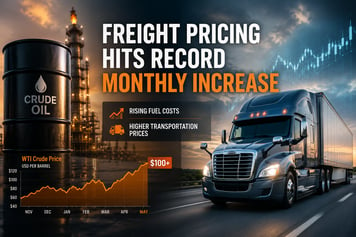 Transportation pricing moved sharply higher in April as rising diesel and energy costs pushed trucking-related producer prices to record levels. According to the latest Producer Price Index (PPI) data, truck transportation pricing posted its largest monthly increase on record.
Key developments included:
Much of the increase appears tied directly to higher fuel costs stemming from ongoing geopolitical tensions and volatility in crude oil markets. U.S. crude prices moved back above $100 per barrel during the week.
Retail sales increased modestly in April, but much of the gain was driven by higher gasoline prices rather than stronger consumer demand. Excluding gas stations, retail sales rose only 0.3% month-over-month.
Several consumer-facing sectors showed weakness:
At the same time, inflation continued to move higher:
The combination of sticky inflation and uneven consumer demand continues to create mixed signals for freight demand planning heading into the summer months.

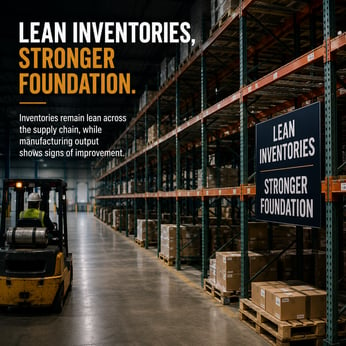 Manufacturing activity showed improvement in April, supported heavily by stronger automotive production. Manufacturing output increased 0.6% month-over-month, while motor vehicle and parts production jumped 3.7%.
Meanwhile, inventories across the supply chain remained historically lean:
Lean inventories can support future freight movement if replenishment activity accelerates, but they also highlight the cautious approach many businesses are still taking toward ordering and stocking decisions.
Spot market pricing continued to strengthen across all major equipment types heading into the annual International Roadcheck inspection event. According to Truckstop.com data, flatbed rates rose for the 19th consecutive week and nearly matched all-time highs.
Additional trucking market developments included:
While dry van and refrigerated gains largely reflect fuel recovery, flatbed pricing has continued to outperform broader cost increases, signaling stronger underlying demand conditions in that segment.
The legal environment also shifted significantly this week after the U.S. Supreme Court ruled that freight brokers can face negligent selection lawsuits tied to carrier choices.
The ruling is expected to intensify discussions around broker liability standards, carrier vetting practices, and potential safe harbor legislation moving forward.

Rail volumes remained positive across North America, with both carload and intermodal traffic continuing to outperform prior-year levels. Total rail traffic increased 2.1% year-over-year for the week ended May 9.
Key rail trends included:
At the same time, the proposed Union Pacific–Norfolk Southern merger continued drawing criticism from competing Class I railroads, particularly around market share transparency, terminal ownership, and competitive access concerns.
The Surface Transportation Board is expected to rule on the completeness of the merger application by the end of May.
As transportation markets continue balancing inflation pressures, fuel volatility, legal uncertainty, and evolving freight demand trends, this week’s data reinforced how interconnected macroeconomic conditions remain across trucking, rail, and supply chain activity.